If you own a farm, chances are you've accepted that flies are simply part of summer. The truth is, though, they don't have to take over your barn or your time with your horses. While you'll never eliminate every fly, a few consistent management practices can make a remarkable difference in keeping your property cleaner, your animals more comfortable and your summer far more enjoyable.
One of the biggest mistakes we see is waiting until flies become a problem before trying to control them. By the time you're reaching for the fly spray every time you walk into the barn, the fly population has already established itself. Summer fly control works best when it's becomes part of your regular management routine rather than something you react to once the flies have already arrived.
Manure management is, without question, the foundation of any successful fly control program. Removing manure from stalls, paddocks and high-traffic areas on a regular basis dramatically reduces breeding opportunities before flies have a chance to multiply. If you maintain a manure pile, keeping it as far from the barn as practical and managing it properly can also make a noticeable difference throughout the season.
Over the last couple of years, we've also decided to incorporate Spalding Labs Fly Predators into our fly control program here on the farm. Rather than relying on one product alone, we look at fly control as a complete system, and we've found that adding Fly Predators has been a helpful part of that approach. Fly Predators are tiny beneficial insects that target developing pest flies before they hatch, helping interrupt the fly life cycle before it becomes a bigger problem. They aren't a stand-alone solution, but when combined with good manure management, proper ventilation, fly traps and other preventative measures, we've personally felt they've made a noticeable difference on our farm. Spalding Labs recommends using Fly Predators as part of an integrated fly management program, with regular applications throughout the warmer months.
Moisture is another area that's often overlooked. Flies thrive anywhere water collects, whether it's around water troughs, muddy gate openings, leaking hydrants or low spots that never seem to dry out. Taking a little time to improve drainage and eliminate standing water not only helps with fly control but also creates a healthier environment for both horses and livestock.
Inside the barn, good airflow can be one of your greatest allies. Ceiling fans, aisle fans and open ventilation don't just help horses stay cooler during Virginia's hot summers—they also make it much more difficult for flies to settle and linger. Many horse owners are surprised by how much of a difference proper air movement alone can make.
Of course, there are also plenty of other tools available to help throughout the season. Fly masks, fly sheets, feed-through fly control products, sticky traps, baited traps placed away from the barn and quality fly sprays all have their place. The key is remembering that no single product solves the problem on its own. The most successful farms typically use several different methods working together.
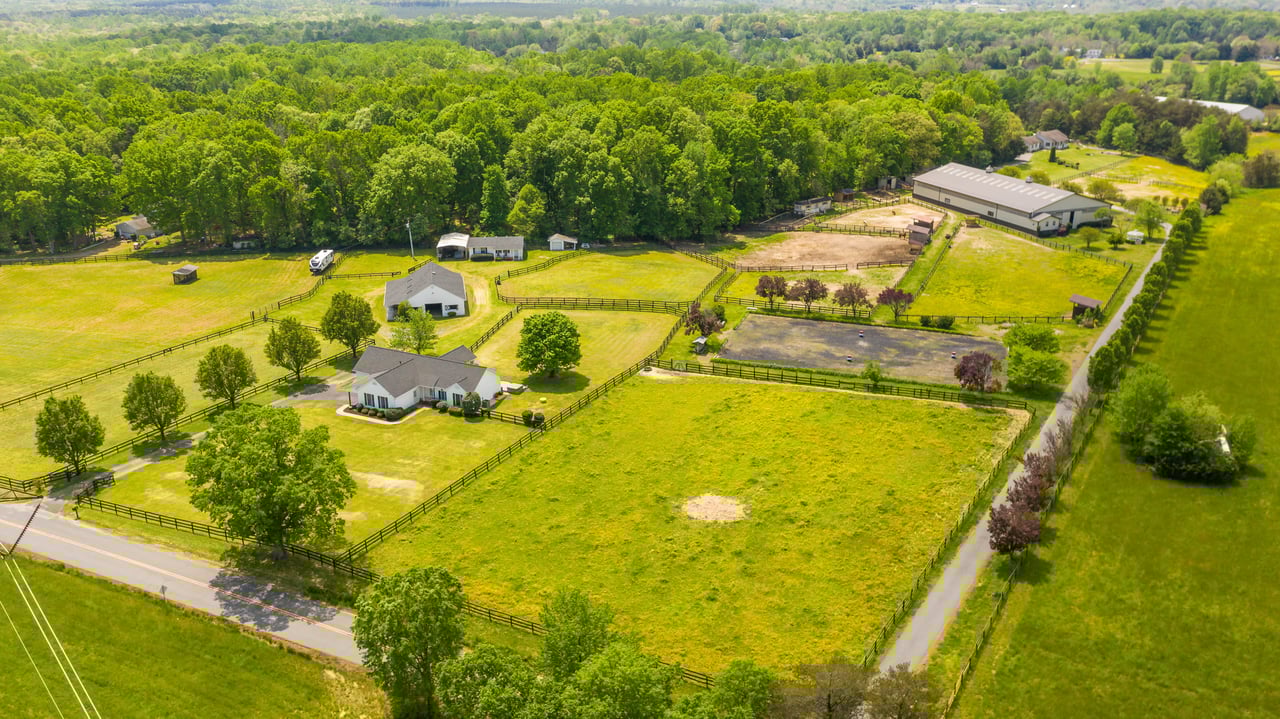
One thing we've learned from spending time on farms throughout the Fredericksburg region is that every property is a little different. The number of horses, surrounding woods, nearby water, pasture layout and barn design all influence how challenging fly season can become. That's why there's rarely a one-size-fits-all solution. Finding the right combination of management practices for your particular property often produces the best long-term results.
At Porch & Stable Realty's Farm & Land Division, we know buying a farm is about much more than acreage and fencing. It's about understanding the day-to-day realities of country living, whether that's planning for mud season, evaluating usable pasture, selecting the right outbuildings or managing a barn during the hottest months of the year. We believe the best farm ownership experience comes from being prepared long before challenges arise.
Summer may bring its share of flies, but with a little planning and consistency, your barn can remain a much more comfortable place for both you and your animals. And that's more time you'll get to spend enjoying the lifestyle that made you fall in love with country living in the first place.