If you’ve ever found yourself scrolling late-night listings for “a few acres,” “a barn,” or “room for chickens and a garden”… you’re not alone. The mini-farm lifestyle has exploded in popularity — and for good reason.
There’s something magical about space, quiet, freedom, and the ability to live a little closer to the land.
But before you trade subdivision living for acreage life, it helps to know exactly what you’re stepping into.
That’s where Porch & Stable’s Farm & Land Division comes in.
We live this life. We work these properties. We ride the trails, walk the fields, check the fencing, and step into the barns with buyers every single week.
And here’s what we want first-time mini-farm buyers to know.
1. Start With Your Lifestyle — Not Just the Acreage Number
You don’t need 20 acres to live the life you’re dreaming of.
For most families:
-
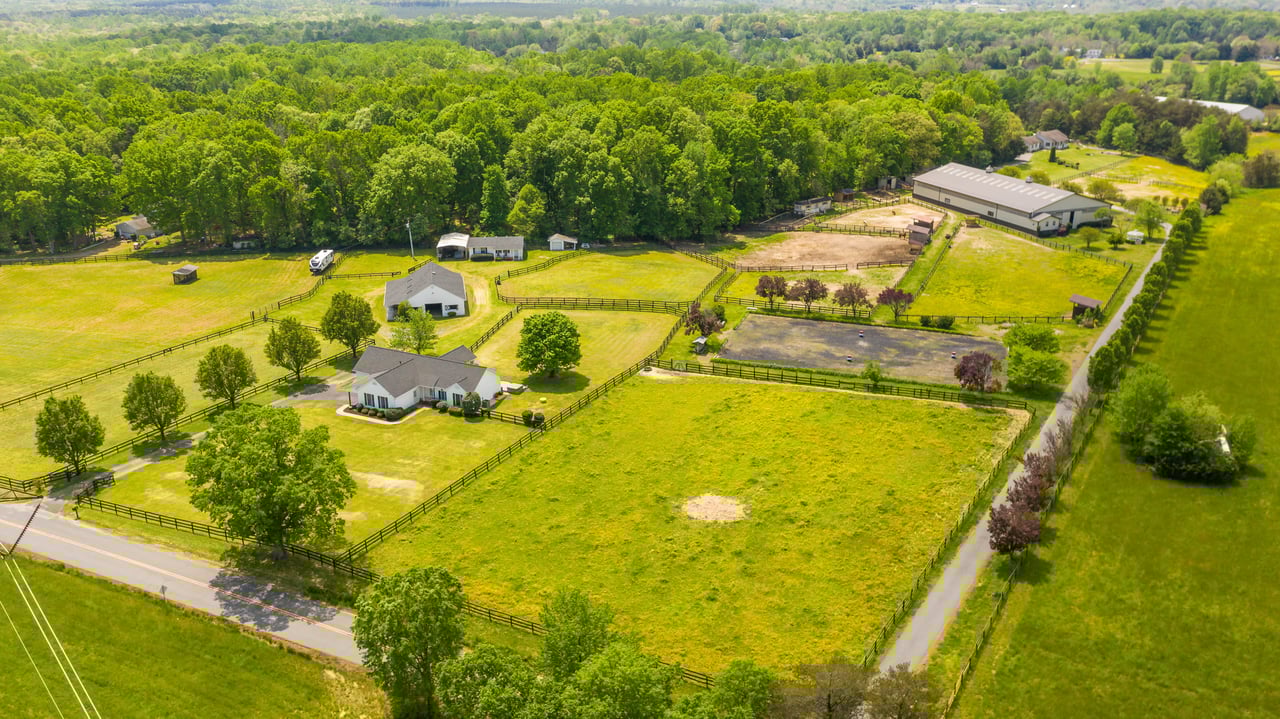
2–5 acres is plenty for small animals, gardens, chickens, and a hobby barn
-
5–10 acres offers room for larger animals, fencing options, and privacy
-
10+ acres requires more maintenance — and more equipment
Focus on how you want to use the land, not just the number attached to it.
2. Understand the Zoning (It Matters More Than People Realize)
The prettiest 3-acre lot in the world doesn’t help you if the zoning doesn’t allow animals, fencing, or outbuildings.
Before you fall in love with a property, we check:
-
Agricultural vs. residential zoning
-
Livestock allowances
-
Setback rules
-
Accessory building requirements
-
HOA or neighborhood restrictions
These details can make or break your dream — and they’re often overlooked.
3. Water Sources Are a Bigger Deal Than You Think
Mini-farms thrive on reliable water access.
You’ll want to know:
-
Well depth and water flow
-
Stream or creek reliability
-
Potential pond sites
-
How animals will access water
-
How water drains across the property
Acreage doesn’t always mean usable acreage — and water tells the story.
4. The Barn or Outbuilding Will Make Your Life… or Make It Harder
Not all barns are created equal.
Not all sheds can be converted.
Not every “outbuilding” is ready for animals.
We look for:
-
Proper ventilation
-
Safe wiring
-
Good roof and foundation
-
Stall size and layout
-
Hay storage
-
Equipment access
-
Drainage
-
Future upgrade potential
And if the barn isn’t perfect?
Sometimes that’s a blessing — because you can design the flow that works for your animals and your routines.
5. Maintenance is Manageable — With the Right Plan
People imagine owning acreage means endless work.
But with smart management, it’s absolutely doable (even for busy families).
The key is understanding:
-
Mowing vs. bush-hogging
-
Pasture rotation
-
Fencing upkeep
-
Driveway maintenance
-
Seasonal projects
Most new acreage owners tell us the same thing after year one:
“It’s more peaceful than I ever imagined — and less overwhelming than I expected.”
6. Your Equipment Doesn’t Have to Be Fancy
You don’t need a huge tractor from day one.
Start with what makes sense for your property:
-
A zero-turn mower or compact tractor for manageable acreage
-
A utility vehicle for hauling feed or moving tools
-
A simple trailer for hay, waste, or projects
Most buyers scale their equipment with their land — not the other way around.
7. Privacy, Quiet, and Space Change the Way You Live
Mini-farm life isn’t just about animals or gardens.
It’s about:
-
Seeing the stars at night
-
Letting kids explore without worrying about traffic
-
Creating your own trails
-
Hearing the wind instead of highway noise
-
Building something that grows with you
There’s a reason people fall in love with acreage living — it’s a lifestyle shift that feels grounding and freeing at the same time.
8. You Don’t Have to Know Everything — You Just Need the Right Guide
First-time acreage buyers often think they need to be experts.
You don’t.
You just need a Farm & Land professional who knows:
-
What soil types mean
-
How to read topography
-
Where drainage will be an issue
-
What fencing costs
-
How barns are built
-
How horses and livestock actually use the land
-
What’s a dealbreaker… and what’s easily fixed
We see things other agents miss because we live the life ourselves.
Ready to Explore Mini-Farm Living?
If you’re dreaming of acreage — whether it’s two acres, twenty, or something in between — our Farm & Land Division is here to guide you every step of the way. We would love to help you build this lifestyle.